

What causes acne in men and how to get rid of it on your face, neck and back
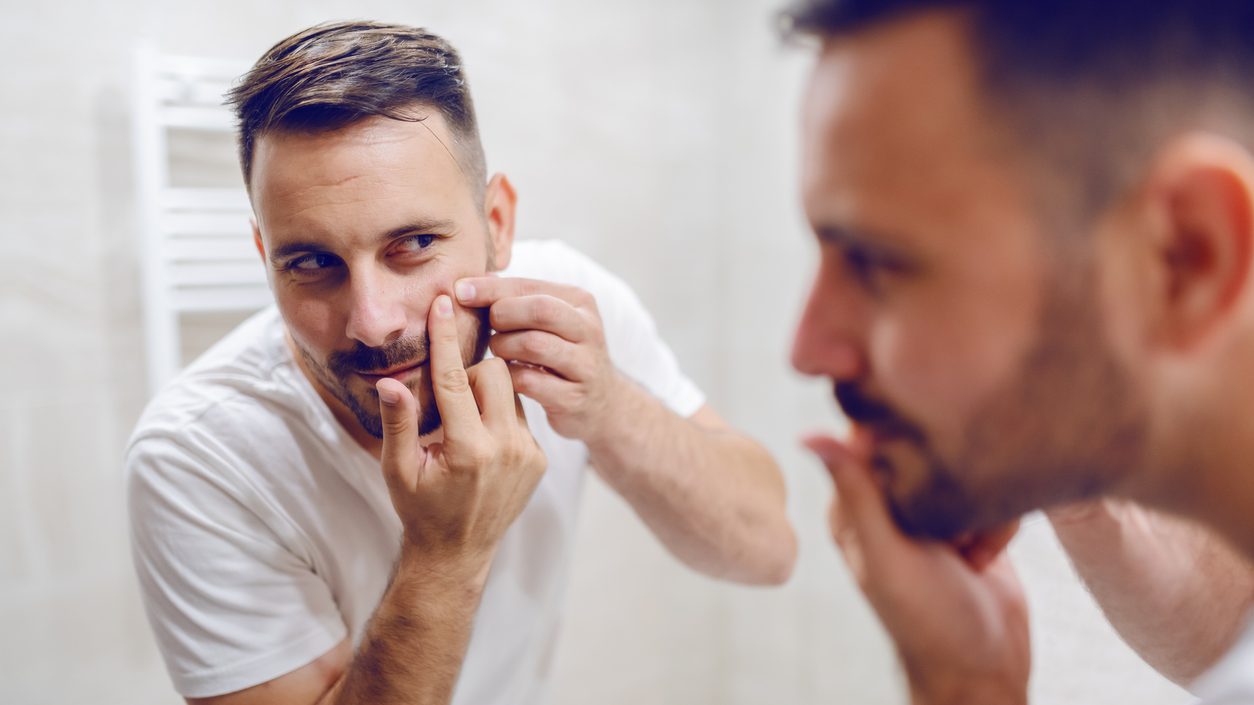
A cne is more common than most people might think.
Far from being a condition that affects all ages – not just teenagers – what causes acne is more complex than simply your face being dirty.
In fact, it’s often triggered by complex factors like hormones, genetics, and excess oil.
Below, we explain what causes acne, what to avoid, and which skincare products to look for when managing breakouts.
What causes acne?
Acne is caused by a combination of factors including:
- Excess sebum (oil)
- Clogged follicles
- Bacteria on the skin
- Hormonal changes, especially during puberty
There are then six types of acne-related spots:
- Blackheads
- Whiteheads
- Papules
- Pustules
- Nodules
- Cysts
These can appear on the face, neck, chest, and back. While both men and women can experience facial acne, men are more likely to have severe acne on their backs, often due to higher testosterone levels.
Acne happens mostly during puberty because of changing hormone levels, but some people can be genetically predisposed to having acne too.
In particular, certain hormones can cause the glands in your skin to produce more sebum than usual and an increase in testosterone in men is why they tend to have oily skin for longer.
In some cases, especially for men with persistent or severe acne, you may need help from a doctor or medical treatment may be necessary.
What not to do
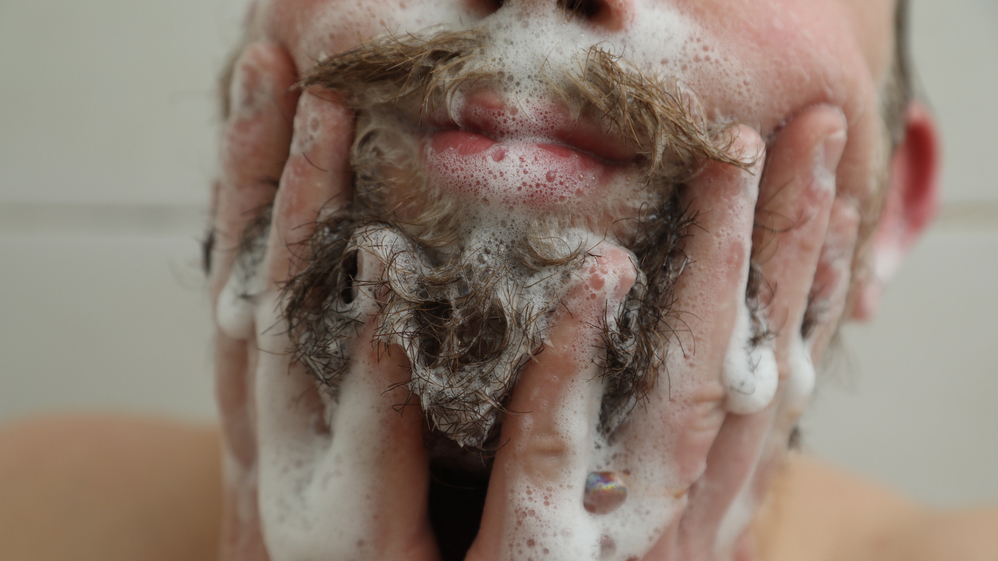
Over-washing or harsh scrubbing won’t cure acne – in fact, it can make things worse. Acne is not caused by dirt alone, so aggressive cleansing won’t fix it.
Avoid:
- Washing more than twice a day
- Using harsh scrubs or exfoliants
- Using hot water, which can irritate skin
Do:
- Use a gentle cleanser
- Wash with lukewarm water
- Pat the skin dry instead of rubbing
Is there an acne cure?
While there is no known cure for acne (yet), a paper published in 2018 showed the first steps towards creating a vaccine against acne.
“Once validated by a large-scale clinical trial, the potential impact of our findings is huge for the hundreds of millions of individuals suffering from acne vulgaris,” Chun-Ming Huang, from the University of California, San Diego, said at the time.
Until then, managing acne with consistent skincare, avoiding pore-clogging ingredients, and consulting with a dermatologist remain the most effective strategies.
Acne in men: FAQ
Below we answer some of the most common questions we get regarding acne in men.
Is acne caused by poor hygiene?
No – acne is not caused by being dirty or having poor hygiene. This is one of the most common myths about acne. Washing your face regularly is important for overall skin health, breakouts are typically caused by internal factors like hormones, excess oil, bacteria, and inflammation, not by dirt alone.
That being said, having a dirty face can lead to excess oil, bacteria and inflammation so it’s still worth keeping it clean.
The worse thing you can do though is over-washing your face or scrubbing too harshly can actually make acne worse. This strips your skin of its natural protective oils and makes your skin feel dry or irritated. You skin then want to produce more oil, not less, to compensate and the acne can get worse.
Men, especially those with oily or active skin types, should wash their face twice a day with a gentle, non-drying cleanser. Look for formulas with salicylic acid to unclog pores or niacinamide to calm redness.
Avoid using bar soaps or harsh exfoliants meant for the body on your face. And don’t use a 5-in-1 product on your face. Please.
What skincare is best for acne-prone skin?
For men with acne-prone skin, less is more, but consistency is key.
The best skincare routine focuses on three steps: cleansing, treating, and moisturising.
Start with a gentle cleanser twice a day to remove oil, sweat, and grime. Look for one with salicylic acid or benzoyl peroxide to help clear clogged pores and kill bacteria.
Next, apply a targeted treatment serum or ge. This could contain ingredients like niacinamide (anti-inflammatory), azelaic acid (to fight bacteria and redness), or retinoids (to speed up skin cell turnover and prevent future breakouts). Start slowly with actives to avoid irritation.
Finally, always use a lightweight, oil-free moisturiser. Even oily skin needs hydration, and skipping this step can backfire by causing your skin to produce even more oil.
Avoid products with alcohol, fragrance, or heavy oils. Stick with brands formulated for sensitive or acne-prone skin and give each product at least 4–6 weeks to show results.
Should I stop shaving if I have acne?
Not necessarily. Shaving can be tricky when you have acne, but you don’t have to give it up completely. Instead, focus on how you shave, and what you’re using.
First, switch to a clean, sharp razor and avoid going over the same area multiple times. Dull blades drag across the skin, causing irritation and increasing the risk of razor bumps, cuts, or spreading bacteria.
Use a non-comedogenic shaving gel or cream. This means it doesn’t cause comedones, which is just a fancy word for clogged pores.
Look for formulas without alcohol or fragrance. Shave gently, going with the grain of the hair, not against it. Rinse your face with cold water after shaving to reduce inflammation and follow up with a soothing, alcohol-free aftershave balm.
If your acne is severe or you’re dealing with cysts or painful spots, consider trimming with clippers or using an electric razor until things calm down. Shaving doesn’t cause acne, but doing it the wrong way can make it worse.
How can I treat hormonal acne?
Hormonal acne is caused by fluctuations in androgens, particularly testosterone, which increase oil production and can clog pores. For men, this often means breakouts along the jawline, cheeks, or back, especially during high-stress periods, intense workouts, or even after dietary changes.
To treat hormonal acne, start with a consistent skincare routine that includes a cleanser with salicylic acid or benzoyl peroxide, a retinoid-based treatment, and a non-comedogenic moisturiser.
Retinoids help regulate cell turnover and prevent pores from clogging—key for addressing the root of hormonal acne.
Lifestyle changes can also help. Get enough sleep, manage stress, and consider reducing your intake of high-glycemic foods and dairy, both of which may influence hormone levels.
For persistent or painful breakouts, speak with a dermatologist. They might recommend prescription-strength topical treatments, antibiotics, or even isotretinoin (commonly known as Roaccutane).

Subscribe to the MBman newsletter to stay updated