
A fifth of UK men admit buying unregulated supplies of testosterone online and via social media
New research reveals how men are turning to websites and social media to obtain testosterone supplements, as embarrassment, toxic expectations of masculinity and concerns about sexual health continue to create barriers to safe, medical advice
In this article
TL;DR
Men are buying testosterone without medical advice. 22% of those surveyed by Hims, who had obtained the drug, got it online without a prescription or consultation, and 21% via social media.
Embarrassment is a barrier. More than half of men surveyed said they feel uncomfortable talking to their GP about sexual health.
Demand is growing. Testosterone prescriptions and online interest are rising.
Self-medicating carries risks. Taking testosterone without medical advice can affect fertility, heart health and natural hormone production.
Treatment is becoming more accessible. Private UK services are expanding, but proper testing and regular medical checks remain essential.
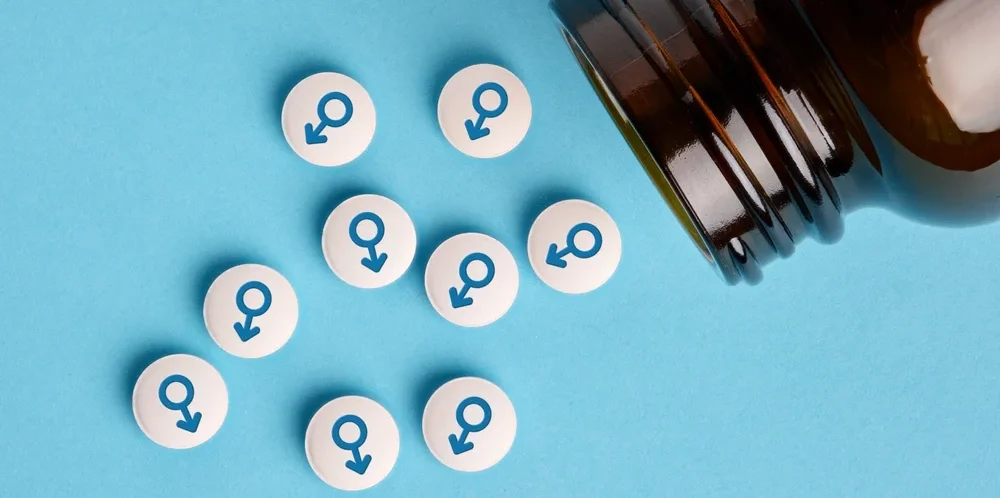
More than a fifth of men in the UK are putting their health at risk by buying unregulated supplies of testosterone online.
That’s according to new research from men’s healthcare platform, Hims which found that 22% of men surveyed admitting to have bought the Class C drug from a website with no prescription or consultation, while a worrying 21% sourced it direct from social media.
The research also found that this trend correlates with men “feeling pressure to be a man” (59%), powering through fatigue (72%) and seeking discreet ways to deal with falling sex drives over fear and embarrassment (57%) about speaking to a GP.
The latter is particularly relevant as Movember and the focus on men’s health comes to an end, and as many men will be looking ahead to their wellness goals in the New Year.
The findings also come amid growing interest in testosterone replacement therapy (TRT), concerns about declining testosterone levels among younger men, and research into Britain’s changing sexual habits that all combine to paint a worrying picture about men’s health.
Britain’s rising testosterone problem
The research, conducted by Culture Co-op on behalf of Hims, surveyed 2,000 UK men aged 18 and over, including 1,000 who had received treatment for low testosterone.
It found that 78% of respondents were curious about their testosterone levels, yet only 21% reported having had a blood test to check them while 68% believe the taboos surrounding masculinity and testosterone use remain strong or very strong.
Where men are sourcing testosterone
Websites without a prescription or consultation: 22%
Social media: 21%
Source: Hims/Culture Co-op, November 2026. Figures relate to respondents who had obtained testosterone medication. The percentages should not be added together because respondents may have used more than one source.
The findings come just two months after the Society for Endocrinology published a position statement identifying the non-medical use of androgens, including anabolic steroids, as a growing public health concern.
It estimates that around 500,000 men in the UK have engaged in non-medical androgen use, although the true figure may be higher because of under-reporting and the stigma associated with taking these substances. This figure includes anabolic steroid use more broadly, not just testosterone replacement therapy.
Hims testosterone treatment UK
 Hims
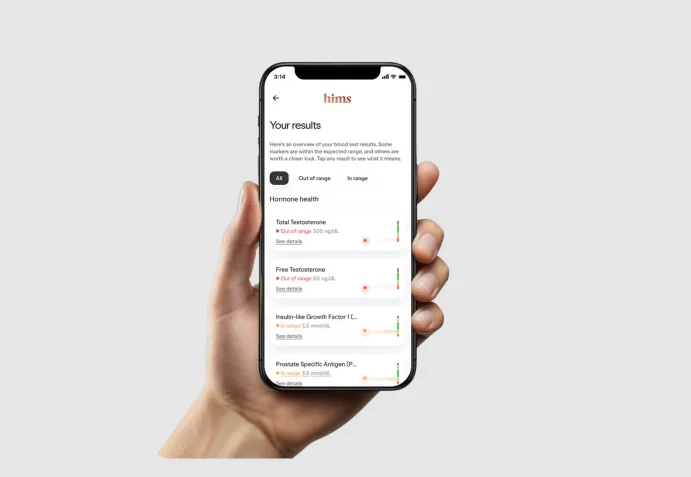
The Hims survey was commissioned to coincide with the launch of Hims testosterone service in the UK. Hims already offers treatments for conditions including hair loss and erectile dysfunction and is now is expanding into male hormonal healthcare through at-home blood testing, remote GP assessments and ongoing treatment for eligible patients.
Rather than offering testosterone injections, the service is focused on oral and topical treatment options. Some oral treatments work by stimulating the body’s natural testosterone production rather than directly replacing the hormone.
Hims initial assessment costs £59 and includes an upper-arm blood collection kit, laboratory analysis and a clinical review. The company’s oral treatments then start at £75 a month, while topical testosterone replacement therapy starts at £99 a month.
 Hims
“Over the course of my career, I’ve seen how inconvenience and stigma lead men to wait until small concerns become bigger ones,” said Dr Kultar Garcha, an NHS GP and Chief Medical Officer for Hims in the UK and EMEA.
“Testosterone is closely connected to a man’s wider health, so checking it can be one of the first steps toward being more proactive about his overall wellbeing. Our goal is to make that step simple, with a UK-registered GP involved from the very first result.”
And it’s a launch that is going to hopefully, and safely, help the thousands of men searching the web for help. Consumer data from trend analytics company Spate (UK, Popularity Index, October 2026) shows that interest in low testosterone in relation to testosterone supplements has risen by more than 1,000% year on year.
Meanwhile, its UK keyword research shows that we’re making around 2,900 searches a month for “what is TRT” and a further 2,400 for “TRT side effects”. These figures suggest that while interest in testosterone is growing, many men are still trying to understand what treatment involves and whether it’s safe.
Data from @Spate, courtesy of their creator program
Why are men turning to testosterone?
 Hims
Testosterone is a hormone involved in everything from sexual function and sperm production to maintaining muscle mass and bone density. Testosterone replacement therapy (TRT) is a medical treatment designed to restore testosterone levels in people with a clinically established deficiency.
However, the symptoms linked with low testosterone (below):
- persistent tiredness
- reduced sex drive
- low mood
- difficulty maintaining muscle mass
Can also be caused by a range of other physical and mental health conditions and assuming it’s so-called Low T could be masking something more significant, or delay you getting the right treatment.
That’s not to say that the worry and increased interest is unwarranted. There is evidence that men’s testosterone levels are declining across generations. A 2026 review published in the World Journal of Men’s Health, which analysed 345 studies involving more than 169,000 men, found evidence of a generational decline that was particularly pronounced among younger men.
At the same time, research published in Social Science & Medicine earlier this year examined how testosterone-related content on Instagram and TikTok increasingly presents hormonal health in the context of masculinity, fitness and sexual performance.
The researchers behind the paper, Selling masculinity, identified narratives presenting low testosterone as a threat to male identity and reframing hormone deficiency as something younger men should be concerned about.
It’s a combination that creates fertile ground for misinformation. Men may have legitimate concerns about their health but are increasingly encountering information about testosterone through platforms where medical advice sits alongside fitness content, supplement advertising and personal anecdotes.
Is it illegal to buy testosterone online in the UK?
 NHS
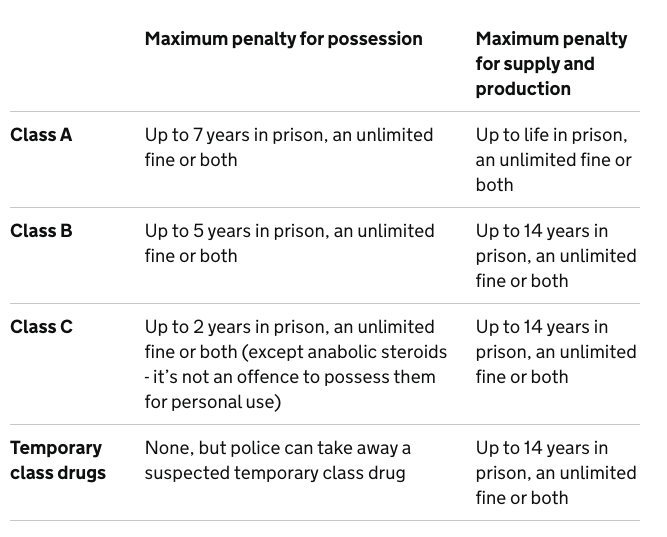
Testosterone medication is classified as a Class C controlled drug in the UK and is available on prescription. This means it’s legal to possess for personal use, but it’s illegal to sell or supply it without the appropriate authorisation. It’s also illegal to import testosterone into the UK by post or courier for personal use. The Medicines and Healthcare products Regulatory Agency (MHRA) has previously prosecuted people for selling anabolic steroids and unlicensed medicines online.
That doesn’t mean buying testosterone online is automatically illegal. Registered online pharmacies, like Hims, can legitimately dispense testosterone against a valid prescription. Under UK law, possessing anabolic steroids for personal use is also generally not a criminal offence. It’s the unauthorised supply and selling of the steroids that is illegal.
The distinction is important because the risks associated with purchasing testosterone from an unregulated website extend beyond whether the transaction itself is legal.
Without a legitimate prescription and regulated supply chain, there’s no reliable way of knowing that what you’re receiving matches what’s advertised, contains the correct dose or has been manufactured and stored appropriately. It’s a dangerous risk.
The risks of taking testosterone without medical advice
 Shutterstock
One of the biggest misconceptions surrounding testosterone is that because it’s a hormone the body naturally produces, taking more of it must be relatively harmless. In reality, introducing testosterone into the body, especially unregulated or without medical support, can interfere with the mechanisms that regulate the natural production of the hormone and make things worse.
The NHS warns that anabolic steroid misuse can cause reduced sperm counts, infertility, testicular shrinkage, erectile dysfunction and acne, alongside more serious cardiovascular and psychological complications. Many of the things that men taking testosterone for are trying to avoid.
The Society for Endocrinology’s September 2026 position statement also identifies cardiovascular disease, raised red blood cell levels, abnormal cholesterol levels and disrupted natural hormone production among the risks associated with non-medical androgen use.
There is a difference between medically supervised TRT, prescribed to correct a deficiency, and taking testosterone without appropriate assessment, particularly at doses that raise hormone levels beyond their normal physiological range. Even medically prescribed testosterone requires careful monitoring.
Perhaps one of the biggest risks of self-medicating, though, is that it could delay the diagnosis of whatever is actually causing your symptoms. Persistent fatigue, erectile dysfunction and reduced sexual desire can all be signs of other underlying health conditions that require different treatment.
The truth about testosterone boosters
It’s not just prescription testosterone that men are seeking online. There’s also a growing market for so-called testosterone boosters, sold as food supplements that promise to increase the body’s natural production of the hormone.
Dr Alex Vass, a GP and men’s health specialist at private healthcare provider H3 Health, estimates that taking these supplements could cost men between £216 and £240 a year, despite limited evidence that most provide meaningful benefits.
“There is very little evidence that testosterone food supplements provide meaningful results,” said Dr Vass. “They are regulated as foods and have to adhere to rules on safety, labelling and health claims, but unlike licensed medicines, they don’t have to demonstrate clinical effectiveness before being sold.”
Dr Vass points to a review of 52 studies involving 27 different products, which found that most failed to increase testosterone levels. Even where small increases were observed, there’s little evidence that raising testosterone in men whose levels are already normal translates into improvements in energy, sexual desire or physical performance.
“Unfortunately, no supplement can make up for poor habits,” he added. “Regular exercise, sufficient sleep and a decent diet will always do far more for most people’s health than a shelf full of pills.”
What to do if you think you have low testosterone
 Getty Images/iStockphoto
If you’ve noticed a persistent change in your energy levels, sexual desire, mood or physical strength, speaking to your GP is the best starting point. Such symptoms are worth investigating, regardless of whether testosterone turns out to be the underlying cause.
Your GP will assess your symptoms, review any existing health conditions or medications, arrange appropriate blood tests and discuss treatment options or a specialist referral where necessary. They see this stuff all the time and will not judge you or dismiss you.
If you choose to explore private healthcare, check that the provider is appropriately regulated, that any medicines are dispensed by a registered pharmacy and that the service includes ongoing medical monitoring.
MORE LIKE THIS
A fifth of UK men admit buying unregulated supplies of testosterone online and via social media

Wolf cuts, three-step skincare and signature scents take over in Pinterest’s 2026 men’s trend report

Best advent calendar for men 2026: Our pick of the best men’s grooming and skincare calendars
Best men’s skincare for oily skin and how to build an oily skin routine

This condom size chart and online quiz helps you find your best condom fit
Sex toys for men UK: Our pick of the best cheap and luxury male sex toys

Dandruff: What is it, what causes it and how to get rid of dandruff for good
Beau Domaine: Brad Pitt skincare range expands to creams, a cleanser and more
How to prevent hair loss in men
Men’s skincare routine: Which men’s grooming products do you *actually* need?