

Best men’s skincare for oily skin and how to build an oily skin routine
Our guide to the best skincare for oily skin for men, including the cleansers, treatments, moisturisers and SPF products we recommend for every budget.
In this article
TL;DR
• Oily skin still needs moisturiser. Look for a lightweight gel, fluid or lotion rather than a heavy cream.
• Don’t try to remove every trace of oil. Harsh cleansing can damage the skin barrier and leave your face feeling greasy, tight and irritated at the same time.
• Salicylic acid is useful for blocked pores. Introduce it gradually rather than combining several exfoliating acids at once.
• Niacinamide may help with oiliness. Lower strengths can still be effective, so a 10% serum isn’t automatically better for sensitive skin.
• Finish your morning routine with SPF. Choose a broad-spectrum facial sunscreen with a lightweight, non-greasy finish.
T he skincare market is full of products claiming to mattify, control and rebalance oily skin. Some work, many don’t, and a surprising number leave skin feeling tight, irritated or dehydrated.
To help you find skincare for oily skin that actually works, we’ve tested cleansers, toners, exfoliants, serums and moisturisers across a range of prices.
We’ve focused on products that help manage shine, blocked pores and breakouts without aggressively stripping the skin. We’ve also included lightweight moisturisers and facial sunscreens because oily skin still needs hydration and daily sun protection.
Using too many oil-control products at the same time can cause irritation without producing better results.
The best skincare routine for oily skin at a glance
You don’t need a complicated ten-step routine to manage oily skin. In most cases, a gentle cleanser, one targeted treatment, a lightweight moisturiser and sunscreen are enough.
Using too many oil-control products at the same time can cause irritation without producing better results.
Morning oily skin routine
- Cleanse: Wash with a gentle gel or foaming cleanser to remove oil that has built up overnight.
- Treat: Apply a lightweight niacinamide serum if you want help with shine, uneven tone or post-breakout marks.
- Moisturise: Use a light lotion, fluid or gel moisturiser.
- Protect: Finish with a broad-spectrum facial SPF30 or higher.
Evening oily skin routine
- Cleanse: Remove sunscreen, dirt and excess oil with a gentle cleanser.
- Exfoliate: Use a salicylic acid or glycolic acid treatment two or three evenings a week to begin with.
- Moisturise: Apply a lightweight moisturiser to support your skin barrier.
Don’t use every active in this guide at once
Choose one exfoliating treatment and introduce it gradually. Combining glycolic acid, salicylic acid and a multi-acid serum in the same routine can cause dryness, stinging, redness and irritation. If your skin feels sore or unusually tight, stop using the active products and return to a gentle cleanser, moisturiser and SPF until it settles.
Best oily skin routines for men
The routines below provide a starting point at three different price levels. You don’t need to buy every product from the same price category, so mix and match according to your skin and budget.
Budget oily skin routineCleanser: Optional toner: Serum: Boots Ingredients Niacinamide Serum Moisturiser: |
Mid-range oily skin routineCleanser: Exfoliant: The Ordinary Glycolic Acid Toner Serum: The Ordinary Niacinamide 10% + Zinc 1% Moisturiser: |
Luxury oily skin routineCleanser: Exfoliant: Paula’s Choice 2% BHA Exfoliant Serum: SkinCeuticals Blemish + Age Defense Moisturiser: |
Best cleansers for oily skin for men
- Best budget cleanser: Simple Facial Wash Gel
- Best everyday cleanser: CeraVe Foaming Cleanser
- Best luxury cleanser: Elemis Pro-Collagen Cleanser
- Best Korean cleanser: Round Lab Dokdo Cleanser
A good cleanser for oily skin should remove excess oil, sweat and sunscreen without leaving your face feeling painfully tight. In most cases, cleansing morning and evening is enough.
Simple Kind to Skin Refreshing Facial Wash Gel
 Simple
 Simple’s Refreshing Facial Wash Gel is the sort of product that doesn’t try to be clever, which is exactly why it works. It’s a straightforward foaming wash that removes oil, dirt and light makeup without leaving your face feeling aggressively stripped.
It’s not going to change your life, but it will clean your face properly twice a day for very little money. That is all most people need from a budget cleanser.
Best for: Anyone who wants an inexpensive, uncomplicated daily face wash.
What to know: It cleans rather than treats, so you will need a separate product if blocked pores or breakouts are your main concern.
How to use it: Massage a small amount over damp skin for around 30 seconds, then rinse. Use morning and evening.
CeraVe Foaming Cleanser
 CeraVe
 CeraVe’s Foaming Cleanser has become something of a cult product. The texture is a lightweight gel that produces a soft foam when mixed with water. It contains niacinamide, hyaluronic acid and ceramides. This makes it a better option for oily skin that also becomes tight or uncomfortable after cleansing.
The fragrance-free formula removes everyday oil and dirt without relying on physical exfoliating particles.
Best for: Normal-to-oily skin that needs an everyday cleanser rather than a strong acne treatment.
What to know: It is gentle enough for regular use, but it may not remove heavy or water-resistant sunscreen in a single cleanse.
How to use it: Use morning and evening. Double cleanse at night if one wash does not fully remove your sunscreen.
Elemis Pro-Collagen Energising Marine Cleanser
Elemis Pro-Collagen Energising Marine Cleanser is designed to cleanse while providing light exfoliation. The formula includes a mineral blend alongside succinic acid, lactic acid and ferulic acid. These ingredients make it more treatment-focused than a basic face wash, although a rinse-off cleanser will generally have less contact time with your skin than a leave-on acid treatment.
The gel texture produces a satisfying foam and leaves skin feeling thoroughly cleansed.
Best for: Oily skin with rough texture, dullness or mild congestion.
What to know: This is expensive for a cleanser, and the exfoliating ingredients mean it may not suit very sensitive skin.
How to use it: Begin with once-daily use. Avoid combining it with several other exfoliating products if your skin becomes dry or irritated.
Round Lab 1025 Dokdo Cleanser
Named after Dokdo Island, Round Lab’s 1025 Dokdo Cleanser is built around the idea that oily skin still needs gentle care. It creates a dense, creamy foam and cleans effectively without feeling as harsh as many traditional oil-control face washes.
This is particularly useful if your face is shiny by lunchtime but feels tight immediately after washing.
Best for: Oily skin that is also dehydrated, sensitive or easily irritated.
What to know: The rich foam can make it feel stronger than expected, so start with a small amount.
How to use it: Lather a pea-sized amount between wet hands, gently massage it over the face and rinse thoroughly.
Best exfoliants and toners for oily skin
- Best gentle toner: Simple Soothing Facial Toner
- Best for surface texture: The Ordinary Glycolic Acid Toner
- Best for blackheads and blocked pores: Paula’s Choice 2% BHA Exfoliant
- Best hydrating Korean toner: Haruharu Wonder Black Rice Toner
Not all toners do the same job. Some simply add hydration, while others contain exfoliating acids and should be treated as active skincare rather than an optional cleansing step.
You can also find more recommendations in our best toner for men guide.
Simple Kind to Skin Soothing Facial Toner
 Simple
 Simple’s Soothing Facial Toner does exactly what it says: it provides a light, soothing layer after cleansing. This isn’t an acne treatment and it will not exfoliate blocked pores.
Its strength is that it is uncomplicated and unlikely to clash with strong serums or treatments elsewhere in your routine.
Best for: Oily skin that feels tight or irritated after cleansing.
What to know: Toner is optional. You do not need to use one if your cleanser and moisturiser already work well.
How to use it: Apply with clean hands or a reusable pad after cleansing, then follow with serum or moisturiser.
The Ordinary Glycolic Acid 7% Exfoliating Toner
 The Ordinary
 The Ordinary’s Glycolic Acid 7% Exfoliating Toner delivers proper chemical exfoliation at a price that undercuts many competitors. Despite the name, this is not a simple hydrating toner. It is an active treatment containing glycolic acid, an AHA that works primarily on the surface of the skin.
It is most useful for dullness, uneven texture and the layer of dead skin cells that can contribute to congestion.
Best for: Oily skin with rough texture, dullness or visible post-breakout marks.
What to know: Salicylic acid is usually a better first choice if blackheads and blocked pores are the main concern.
How to use it: Start once or twice a week in the evening. Do not use it on the same night as another strong acid treatment.
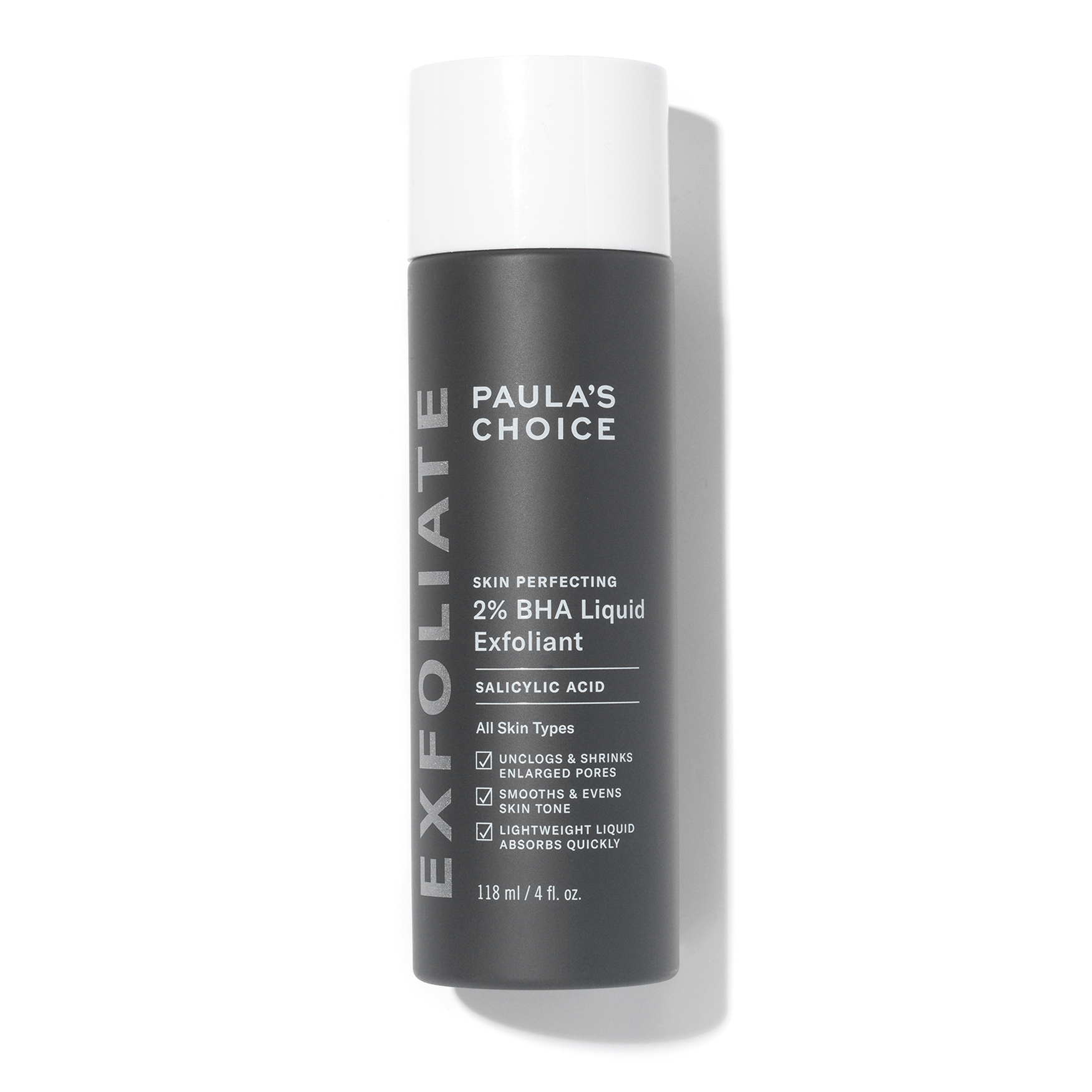
Paula’s Choice Skin Perfecting 2% BHA Liquid Exfoliant
 Paula's Choice
 Paula’s Choice Skin Perfecting 2% BHA Liquid Exfoliant is one of the best-known leave-on salicylic acid treatments. Salicylic acid is oil-soluble, which allows it to work within oily pores as well as on the surface. This makes it particularly useful for blackheads, blocked pores and recurring congestion.
The formula leaves a slight sheen after application, which can feel surprising for something marketed at oily skin, but this settles once moisturiser is applied.
Best for: Persistent blackheads, visible congestion and enlarged-looking pores.
What to know: More frequent use is not always better. Daily application can be too much for some skin.
How to use it: Begin two or three evenings a week after cleansing. Follow with moisturiser and wear SPF during the day.
Haruharu Wonder Black Rice Hyaluronic Toner
 Haruharu Wonder
 Instead of stripping oil or aggressively exfoliating, Haruharu Wonder’s Black Rice Hyaluronic Toner focuses on hydration and comfort. The formula contains fermented black rice extract and hydrating ingredients. Its texture sits somewhere between water and an essence: slightly viscous but still light enough for oily skin.
It is a sensible choice if strong cleansers or acne treatments have left your face feeling tight and irritated.
Best for: Dehydrated oily skin or anyone who wants hydration without a heavy cream.
What to know: It does not directly exfoliate pores or treat acne.
How to use it: Pat a small amount into the skin after cleansing, then apply serum or moisturiser.
Best serums for oily skin for men
- Best budget serum: Boots Ingredients Niacinamide Serum
- Best oil-control serum: The Ordinary Niacinamide 10% + Zinc 1%
- Best for oily, ageing skin: SkinCeuticals Blemish + Age Defense
- Best Korean hydrating essence: COSRX Advanced Snail 96 Mucin Power Essence
Serums are optional, but they are an easy way to target a specific concern without changing the rest of your routine.
Boots Ingredients Niacinamide Serum
Boots’ own-brand Niacinamide Serum provides a relatively high concentration of niacinamide at a low price. Unlike an exfoliating acid, niacinamide does not remove dead skin cells. It supports the skin barrier and may help reduce the appearance of oiliness, uneven tone and post-breakout marks over time.
The lightweight formula is easy to fit into a basic routine and does not require a complicated application schedule.
Best for: Anyone trying niacinamide without wanting to spend much money.
What to know: A 10% concentration may irritate sensitive skin. Stop or reduce use if it causes persistent redness, itching or stinging.
How to use it: Apply a few drops after cleansing and before moisturiser, once daily to begin with.
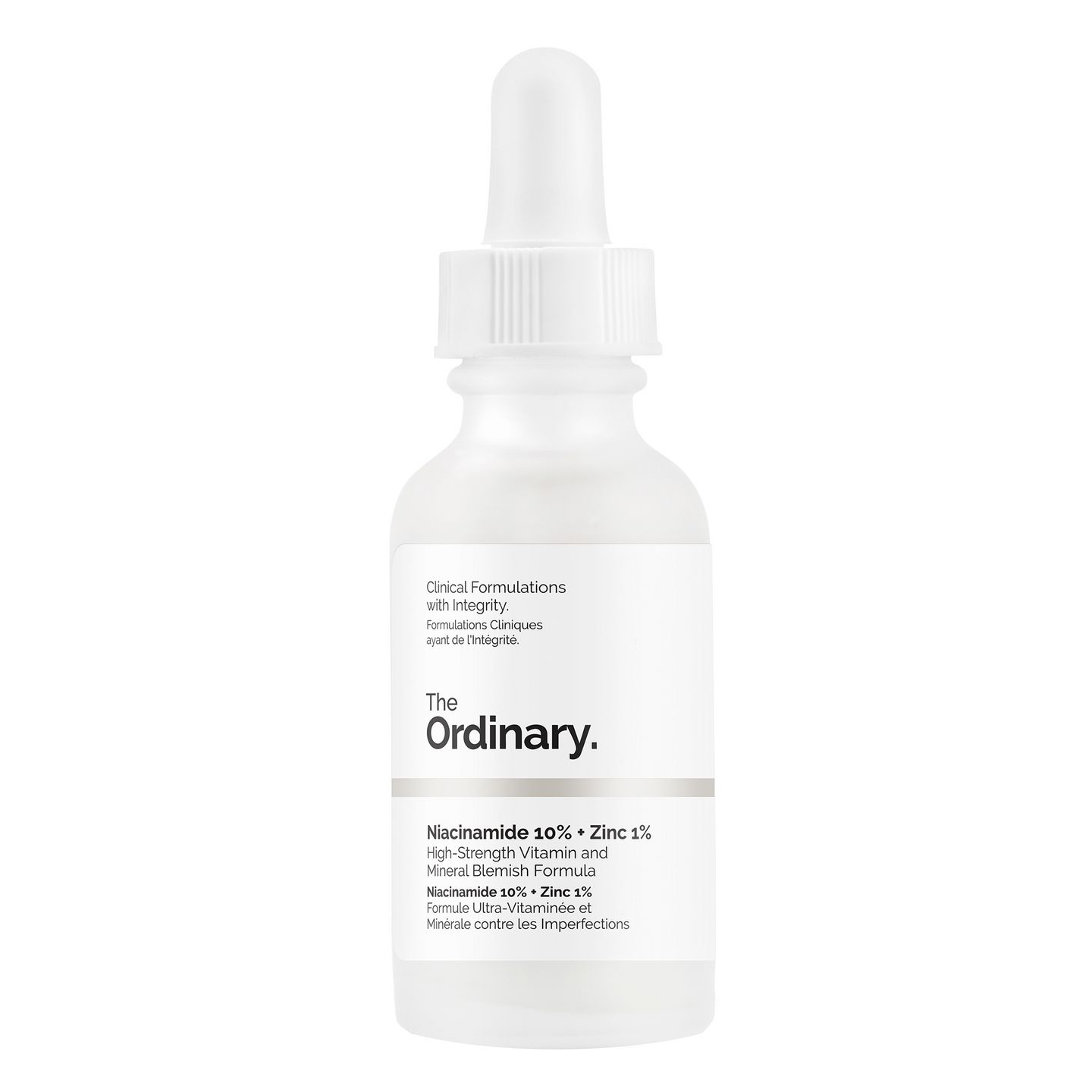
The Ordinary Niacinamide 10% + Zinc 1%
 The Ordinary
 The Ordinary’s Niacinamide 10% + Zinc 1% pairs niacinamide with zinc PCA in a formula aimed at oily, blemish-prone skin. The serum has a slightly thicker, tackier texture than some alternatives. Using too much can cause it to pill beneath moisturiser or sunscreen, so a few drops are enough.
It offers good value, but the high niacinamide concentration is not automatically better than a gentler formula.
Best for: Very oily skin and people who already know they tolerate high-strength niacinamide.
What to know: It can feel sticky and may irritate reactive skin.
How to use it: Apply two or three drops after cleansing. Allow it to settle before layering other products.
SkinCeuticals Blemish + Age Defense
SkinCeuticals Blemish + Age Defense is aimed at people who want to address both oily, congested skin and visible signs of ageing. The formula combines different exfoliating acids so it works on surface texture as well as blocked pores. This makes it more intensive than a straightforward niacinamide serum.
It is expensive, but it may replace separate AHA and BHA products for people who want one targeted treatment.
Best for: Oily adult skin with congestion, uneven texture and early signs of ageing.
What to know: This is a strong acid treatment rather than a basic hydrating serum.
How to use it: Introduce it slowly in the evening. Do not combine it with the glycolic or salicylic acid treatments above in the same routine.
COSRX Advanced Snail 96 Mucin Power Essence
COSRX Advanced Snail 96 Mucin Power Essence contains 96% snail secretion filtrate in a light, slippery essence. Rather than directly controlling oil, it focuses on hydration, soothing and supporting skin that has become irritated through over-cleansing or excessive exfoliation.
The texture feels stringy between the fingers but sinks in more cleanly than the appearance suggests.
Best for: Oily skin that is dehydrated, irritated or recovering from overusing active products.
What to know: It is not an oil-control serum, despite working well within an oily-skin routine.
How to use it: Pat one or two pumps into damp skin after cleansing, then follow with moisturiser.
Best moisturisers for oily skin for men
- Best budget moisturiser: Simple Hydrating Light Moisturiser
- Best everyday moisturiser: CeraVe Facial Moisturising Lotion
- Best luxury gel moisturiser: Clinique Dramatically Different Hydrating Jelly
- Best Korean moisturiser: Laneige Water Bank Moisturiser
Oily skin still needs moisturiser. The aim is not to smother it in a rich cream, but to provide enough water and barrier support to keep it comfortable.
Simple Kind to Skin Hydrating Light Moisturiser
Simple’s Hydrating Light Moisturiser provides straightforward hydration without an unnecessarily rich texture. The light lotion absorbs quickly and sits comfortably on oily skin. It contains pro-vitamin B5, vitamin E and bisabolol.
It is basic, but that is useful when the treatment stage of your routine already contains acids or high-strength serums.
Best for: Anyone who wants an affordable daily moisturiser without a heavy finish.
What to know: Very dehydrated skin may need something more substantial at night.
How to use it: Apply a small amount after serum. Use slightly less in the morning if you are layering sunscreen over it.
CeraVe Facial Moisturising Lotion
CeraVe’s Facial Moisturising Lotion combines ceramides, hyaluronic acid and niacinamide in a lightweight lotion. The ceramides support the skin barrier, while the fluid texture makes it less likely to feel cloying on oily skin than a thick moisturising cream.
It is a particularly useful partner for exfoliating treatments because it focuses on hydration and barrier support rather than adding another active ingredient.
Best for: Oily skin that becomes dry, flaky or irritated when using acne treatments.
What to know: Check whether you are buying the morning, evening or standard lotion, as similarly named CeraVe products can have different formulas.
How to use it: Apply after treatments. During the day, follow with a separate facial sunscreen unless your version contains adequate SPF.
Clinique Dramatically Different Hydrating Jelly
 Clinique
 Clinique’s Dramatically Different Hydrating Jelly feels cooling on application and spreads into a light, water-like layer. It contains sunflower seed cake, barley extract and hyaluronic acid, and it leaves very little residue once absorbed.
There is no heavy creaminess and minimal tackiness, which makes it one of the better moisturisers to wear underneath a mattifying sunscreen.
Best for: Very oily skin that dislikes the feeling of traditional moisturiser.
What to know: You are paying a premium for the elegant texture rather than an especially complicated treatment formula.
How to use it: Apply one or two pumps over the face and neck after serum.
Laneige Water Bank Blue Hyaluronic Gel Moisturiser
 Laneige
 Laneige’s Water Bank Blue Hyaluronic Gel Moisturiser combines hyaluronic acid, squalane and a cooling gel texture. It provides more substantial hydration than the texture suggests, but it absorbs without the waxy finish associated with many richer creams.
This is a good middle ground for skin that is oily across the forehead and nose but becomes dry around the cheeks.
Best for: Oily or combination skin that needs more hydration than a basic fluid provides.
What to know: Check the product name carefully because the Water Bank range includes both gel and richer cream versions.
How to use it: Apply a small amount after serum, concentrating on areas that feel tight or dehydrated.
Best SPF for oily skin for men
- Best affordable SPF for oily skin: CeraVe Invisible Dry Touch Fluid Sunscreen SPF50
- Best lightweight SPF for oily skin: La Roche-Posay Anthelios UVMune 400 Oil Control Invisible Fluid SPF50+
- Best mattifying SPF for oily skin: Eucerin Oil Control Sun Gel-Cream Dry Touch SPF50+
Sunscreen is the final step in your morning routine. This is particularly important when you use glycolic acid, salicylic acid or other exfoliating treatments.
For oily skin, look for a fluid or gel-cream sunscreen that provides broad-spectrum protection without leaving a thick, greasy film.
CeraVe Invisible Dry Touch Fluid Sunscreen SPF50
 CeraVe
 CeraVe Invisible Dry Touch Fluid Sunscreen SPF50 is formulated for normal-to-oily skin and combines high sun protection with a dry-touch finish. Its fluid texture makes it easier to apply a proper amount than a thick facial sun cream, and the finish is designed to reduce shine rather than add to it.
Best for: Anyone who wants a straightforward daily SPF that fits alongside the CeraVe cleanser or moisturiser.
What to know: Let your moisturiser settle before applying it to reduce the chance of pilling.
How to use it: Apply generously as the final step of your morning routine. Reapply during prolonged outdoor exposure, after sweating or after wiping your face.
La Roche-Posay Anthelios UVMune 400 Oil Control Invisible Fluid SPF50+
The consistency is very fluid, so it spreads quickly and feels lighter than a traditional sun cream. It is a practical choice for people who avoid sunscreen because they dislike heavy or sticky textures.
Best for: Oily skin that becomes shiny quickly under standard sunscreen.
What to know: Shake the bottle before use and apply carefully because the thin formula can run.
How to use it: Apply generously to the face, ears and neck as the final morning skincare step.
Eucerin Oil Control Sun Gel-Cream Dry Touch SPF50+
Eucerin Oil Control Sun Gel-Cream Dry Touch SPF50+ has a gel-cream texture developed for oily and acne-prone skin. It dries down more matte than many everyday facial sunscreens, making it a good option if reducing visible shine is as important as avoiding a greasy feel.
Best for: Very oily or blemish-prone skin that needs a distinctly mattifying finish.
What to know: Mattifying products can sometimes emphasise dry or flaky patches, so moisturise those areas first.
How to use it: Apply as the final morning step and allow it to set before applying any makeup or complexion products.
Which skincare ingredients are best for oily skin?
The right ingredient depends on whether you are trying to reduce shine, clear blocked pores, calm irritation or repair dehydrated skin.
Salicylic acid
Salicylic acid is a beta hydroxy acid, or BHA. Because it is oil-soluble, it is particularly useful for oily pores, blackheads and congestion. Start with a leave-on treatment two or three times a week rather than immediately using it every day.
Niacinamide
Niacinamide is a form of vitamin B3 used in products aimed at oiliness, uneven tone and barrier support. It does not exfoliate the skin. Although many serums contain 10%, lower concentrations may be easier to tolerate and can still be useful.
Glycolic and lactic acid
Glycolic and lactic acids are AHAs that primarily exfoliate the surface of the skin. They can improve rough texture, dullness and post-breakout discolouration, but they are not necessarily the best first choice for deep blackheads or blocked pores.
Ceramides and humectants
Ceramides help support the skin barrier, while humectants such as glycerin and hyaluronic acid attract water. These ingredients are useful when oily skin also feels tight, flaky or dehydrated.
Retinoids
Retinoids can help with acne, blocked pores, uneven texture and signs of ageing. However, they can also cause dryness and irritation when first introduced. Prescription-strength acne treatments should be discussed with a pharmacist, GP or dermatologist.
What causes oily skin in men?
Oily skin is caused by sebaceous glands producing sebum. Sebum itself is not bad: it helps lubricate and protect your skin.
How much oil your skin produces is influenced by genetics, hormones, age, climate and individual skin biology. Men often produce more sebum than women because androgen hormones can stimulate the sebaceous glands. Stress, heat, humidity and unsuitable skincare can also make shine feel more noticeable.
Oily skin is not automatically caused by poor hygiene, and repeatedly scrubbing or washing your face will not permanently switch off oil production. It is more likely to leave the skin irritated.
Is your skin oily or dehydrated?
Oily and dehydrated are not opposites. Your skin can produce plenty of oil while still lacking water.
Signs of dehydrated oily skin include tightness after cleansing, surface flaking, stinging when applying products and increased shine over skin that still feels uncomfortable.
If this sounds familiar, reduce exfoliation and focus temporarily on a gentle cleanser, hydrating serum, lightweight moisturiser and sunscreen.
How we chose the best skincare for oily skin
We assessed the products in this guide according to how well they fit into a realistic oily-skin routine rather than judging them solely by their ingredient lists.
We considered how effectively the cleansers removed oil and sunscreen, whether they left skin feeling tight, how comfortably the serums and moisturisers layered together, and whether the final finish felt greasy, sticky or overly dry.
We also looked at irritation, ease of use, packaging, value for money and whether each product offered a meaningful advantage over cheaper alternatives.
Where a product contains active ingredients such as glycolic acid, salicylic acid or high-strength niacinamide, we have explained how to introduce it gradually rather than presenting it as something everyone should use every day.
Oily skin skincare FAQs
How often should men with oily skin wash their face?
For most people, washing in the morning and evening is enough. You can also cleanse after heavy sweating. Washing repeatedly throughout the day can leave skin feeling irritated without changing the underlying amount of oil your sebaceous glands produce.
Does oily skin need moisturiser?
Yes. Moisturiser provides water and supports the skin barrier. The trick is to choose a lightweight lotion, gel or fluid rather than a very rich cream. If your sunscreen is sufficiently moisturising, you may not need a separate moisturiser every morning.
Is toner necessary for oily skin?
No. A traditional toner is optional. A salicylic or glycolic acid product may be useful, but it should be treated as an exfoliating treatment rather than an essential toner step.
Can you use niacinamide and salicylic acid together?
Many people can use both within the same routine, but there is no need to introduce them simultaneously. Start with one product, allow your skin to adjust, and then add the second if you still need it.
How do you stop your face becoming oily during the day?
Use a gentle cleanser, avoid very heavy creams, choose a lightweight sunscreen and use blotting paper to lift excess surface oil without repeatedly washing your face. A niacinamide product or mattifying SPF may also help reduce the appearance of shine, but no skincare product can permanently stop normal sebum production.
When should you see a GP or dermatologist?
Seek medical advice if you have painful spots, deep lumps or cysts, widespread acne, persistent inflammation or scarring. You should also speak to a professional if over-the-counter products have not helped after consistent use or if your skin is affecting your confidence or mental health.
MORE LIKE THIS
Best advent calendar for men 2026: Our pick of the best men’s grooming and skincare calendars
Best men’s skincare for oily skin and how to build an oily skin routine

This condom size chart and online quiz helps you find your best condom fit

Sex toys for men UK: Our pick of the best cheap and luxury male sex toys

Dandruff: What is it, what causes it and how to get rid of dandruff for good
Beau Domaine: Brad Pitt skincare range expands to creams, a cleanser and more
How to prevent hair loss in men

Men’s skincare routine: Which men’s grooming products do you *actually* need?

What causes acne in men and how to get rid of it on your face, neck and back